About 23 minutes
The Care of the Dead — Inside the Classic
World Events
5,270 recorded words. Selected by the catalog's stored reading-time estimate.
View Gutenberg source #47149
Explore this collection
Three of the shortest recorded reading commitments in this catalog. Times are estimates, not quality ratings.
About 23 minutes
World Events
5,270 recorded words. Selected by the catalog's stored reading-time estimate.
View Gutenberg source #47149About 42 minutes
Modern Nations
9,573 recorded words. Selected by the catalog's stored reading-time estimate.
View Gutenberg source #68095About 50 minutes
Modern Nations
11,302 recorded words. Selected by the catalog's stored reading-time estimate.
View Gutenberg source #21566Search stored excerpts and compare books → Choose by your preferences →
Choices use stored catalog measurements. Estimates vary with reading speed. A shared category is a catalog label, not a claim that two books have the same argument or literary quality.
Search reads excerpt text stored with this catalog and links to its associated Gutenberg record. The connection is stored in the site database; this tool does not recheck that every excerpt is word-for-word identical to that external record. Excerpt search does not cover every chapter and does not verify historical publication dates.
Catalog snapshot checked: 2026-09-25. Coverage: 94 public books, 94 available source excerpts.
Independent digital catalogue
The Modern History Library catalogue is built around a simple contrast: works that record public events sit alongside texts that probe private moral and social worlds. This pairing gives readers two distinct ways to enter the collection—by tracking political and legal developments through source documents, or by examining how individuals and communities have reasoned about justice, power, and obligation. The catalogue’s thematic organization highlights these tensions, but it also allows for overlap, since a single work may belong to more than one intellectual current. Whether you begin with a well-known legal text or a more obscure social commentary, each record provides the edition details and source references needed to trace the work back to its original context. That connection between text and its wider historical frame is the collection’s real value.
Browse the catalogue
Move through the collection by subject, historical setting and type of source.
A focused group of public-domain works connected by subject, historical context and recurring questions across the collection.
Sources on nations, communities, law, migration and the public institutions through which historical societies were organized.
Works examining social customs, public institutions, biographies and everyday life in their historical settings.
A focused group of public-domain works connected by subject, historical context and recurring questions across the collection.
A concise group of works selected to introduce the subjects, source types and historical questions represented in this catalogue.
Recently added catalogue records, listed with author information, thematic placement and links to the available work pages.
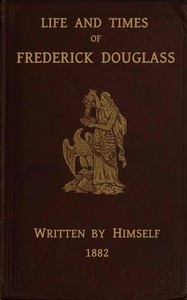
Catalogue questions
How the collection is organized, presented and corrected.
Public-domain status generally means that a source text is no longer protected by copyright in the relevant jurisdiction or has been released for public use. Rights status can vary by country and edition.
Catalogue records organize the author, title, edition and source information available for each work. Source links are provided where they are available.
Works are grouped according to their main subjects, historical setting, source type and their relationship to other records in the collection.
The catalogue provides organization and editorial context. Original source texts retain their own wording, edition details and rights status.
Use the contact page to report an attribution, metadata, category or source-link issue. Include the title and the specific detail that may require correction.
Editorial responsibility
Catalogue information
This catalogue is organized using source attribution, bibliographic metadata, subject-based categories, and supplementary contextual notes. Submitted corrections may be used to update catalogue records.
Catalogue explorer
Browse existing collections, books and author records through several catalogue routes.